


Furniture Manufacturers in Delhi: What to Look for Before Choosing Custom Furniture
Furniture Manufacturers in Delhi: What to Look for Before Choosing Custom Furniture
Introduction:
Buying furniture sounds simple until you actually start looking for it. You may find a sofa you love, but it is too large for your living room. A wardrobe may look perfect in a catalogue, but its storage does not suit your needs. Sometimes, the design is right, but the colour or finish does not match the rest of your home.
These are common problems when furnishing a house. Every home has a different layout, and the people living in it have their own preferences.
This is one reason many homeowners explore furniture manufacturers in Delhi instead of choosing everything from ready-made collections. Custom furniture offers more flexibility in terms of size, materials, finishes and storage.
Delhi NCR has a wide range of furniture options, from everyday furniture to carefully designed pieces for premium homes. The challenge is finding a solution that fits your space, budget and expectations without making the process unnecessarily complicated.
Before choosing a furniture manufacturer, it helps to understand what you need, which materials are suitable and what questions you should ask before placing an order.
1. Why Custom Furniture Is Worth Considering
A piece of furniture can look attractive in a showroom and still fail to work in your home. The reason is simple: showroom displays rarely reflect the exact dimensions, storage needs and daily routines of every household.
Custom furniture starts with these practical details.
Furniture that fits your room
Imagine a bedroom with a narrow wall between the door and a window. A standard wardrobe may not fit properly, or it may leave an awkward gap that wastes space.
A customised wardrobe can be planned around the available dimensions. The same approach works for TV units, study tables, bookshelves and other furniture.
Storage that matches your routine
A family with children may need more accessible storage, while someone working from home may need a dedicated desk and space for equipment.
Custom furniture allows these requirements to be considered before manufacturing begins. Instead of adjusting your routine around the furniture, the design can be planned around how you use the room.
Freedom to choose the finish
Furniture should complement the rest of the interior. You may prefer a natural wood finish, a simple matte surface or a combination of materials.
Working with custom furniture manufacturers in Delhi can give you more control over these choices, depending on the manufacturer's available materials and capabilities.
The important thing is to discuss these details before production starts, rather than trying to match everything after installation.
2. Types of Furniture You Can Customise
Customisation is not limited to expensive statement pieces. It can be useful for everyday furniture as well.
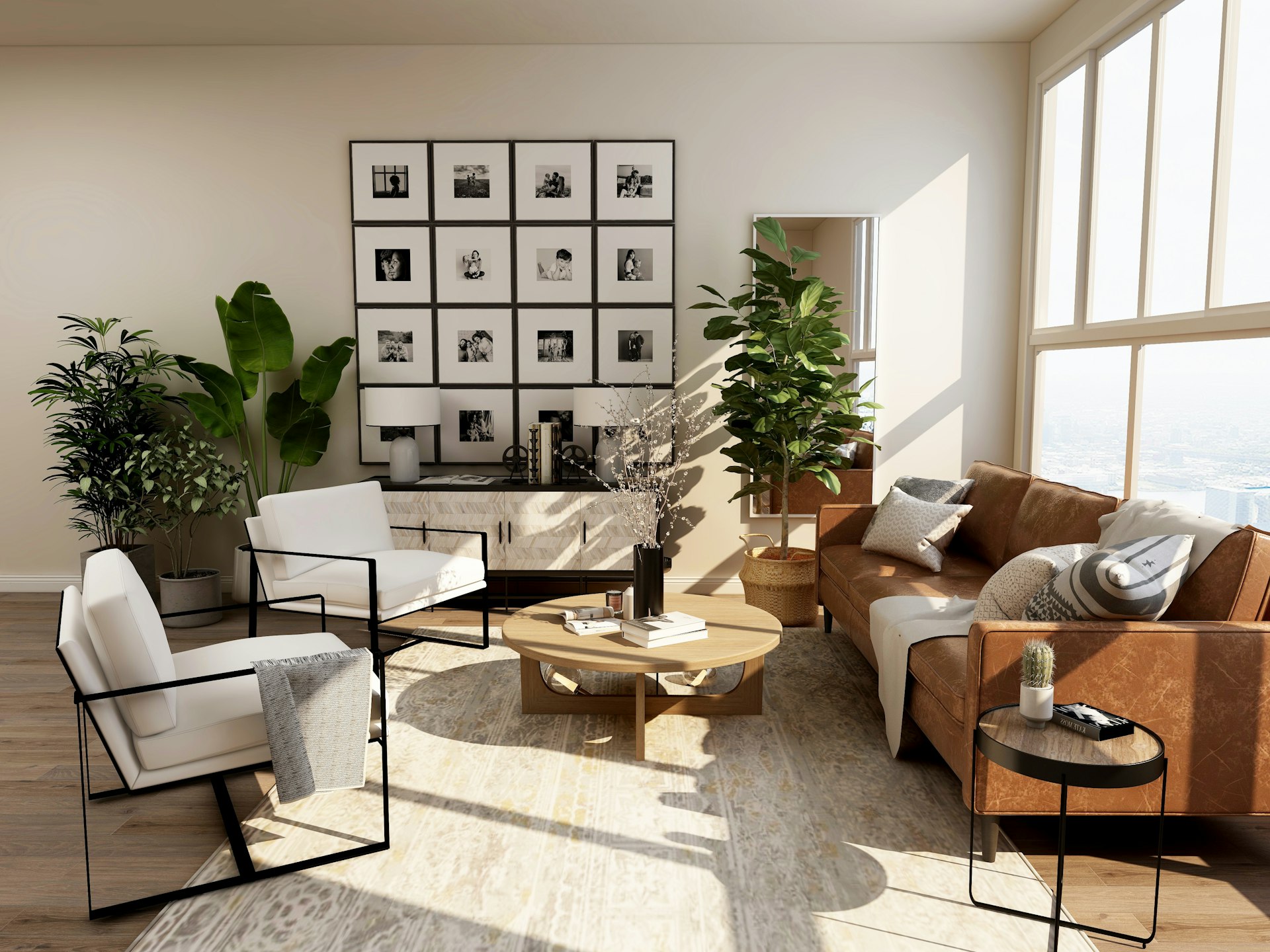
Living room furniture
The living room is often where furniture has to do several jobs at once. It needs to look good, provide comfortable seating and allow people to move around easily.
Common options include:
TV units with concealed storage
Sofas designed for the available seating area
Centre tables and side tables
Display cabinets and bookshelves
Wall-integrated storage units
The size of the room should guide your choices. A large entertainment unit may suit a spacious living room, but a smaller wall-mounted design could work better in an apartment.
Bedroom furniture
Bedroom furniture needs to balance comfort, storage and movement.
Custom wardrobes, beds with storage, bedside tables, dressing units and study desks can be designed to suit the room's dimensions.
Before finalising a wardrobe, think about how much hanging space you need, whether you prefer drawers or shelves, and where you will keep accessories and seasonal clothing.
These small decisions can make the furniture more useful over time.
Modular kitchens and storage
Modular furniture is commonly used in kitchens and wardrobes because it allows storage to be organised into planned sections.
Kitchen layouts should account for appliances, frequently used utensils, work surfaces and the available plumbing and electrical points. Wardrobes need a similar level of planning, especially when several people share the same storage space.
Office and commercial furniture
Offices, retail stores and other commercial spaces have different requirements from homes.
Workstations, reception desks, meeting tables and storage units should support the way people use the space. Durability, ease of maintenance and efficient movement are particularly important.
For commercial projects, it is worth discussing the intended use, number of users and installation schedule with the manufacturer before finalising the design.
3. Ready-Made Furniture vs Custom-Made Furniture
| Factor | Ready-made furniture | Custom-made furniture |
|---|---|---|
| Design | Choose from available designs | More flexibility in design |
| Size | Usually standard dimensions | Can be planned around your space |
| Finish | Limited to available options | More choice, depending on the manufacturer |
| Delivery | Often quicker if in stock | Requires design and production time |
| Price | Easier to compare upfront | Depends on materials and complexity |
| Storage | Based on the selected design | Can be planned around your needs |
Neither option is automatically better. The right choice depends on your requirements.
Ready-made furniture can be a sensible choice when you need something quickly or have a limited budget.
Custom furniture may be more suitable when a room has unusual dimensions, storage needs are specific or you want several pieces to work together as part of one interior design.
Before deciding, compare the complete cost and expected use rather than looking at the purchase price alone.
4. How to Choose Furniture Manufacturers in Delhi
A good-looking portfolio is a useful starting point, but it should not be the only factor in your decision.
Look at completed projects
Ask to see photographs of finished furniture and, where possible, visit a showroom or experience centre.
Look closely at the details: Are the edges neat? Do the finishes appear consistent? Does the furniture fit the room well? Are the handles, joints and other fittings properly finished?
These details can tell you more than a styled photograph alone.
Ask about manufacturing and materials
Find out which materials will be used for the main structure, shutters, surfaces and internal components.
If the furniture is being made to order, ask whether measurements and drawings will be shared for approval. Confirm the hardware, finish and specifications in writing.
This helps avoid misunderstandings once production begins.
Get a clear quotation
Furniture prices can vary considerably depending on the dimensions, material, hardware, finish and complexity of the design.
Ask for a quotation that explains what is included. Check whether delivery, installation and any additional work are charged separately.
If two quotations differ significantly, compare their specifications before assuming that one is simply more expensive.
Discuss the timeline
Custom furniture takes time to design, manufacture and install. The duration depends on the size of the order, design approvals and material availability.
If you are furnishing a new home, coordinate the furniture schedule with painting, flooring, electrical work and other interior activities.
Check installation and after-sales support
Even well-made furniture can require adjustments after installation. Ask about installation arrangements, warranty terms and whom to contact if a fitting or component needs attention.
A clear process makes the experience easier for everyone involved.
5. Which Materials Should You Consider?
The material you choose should suit the furniture's purpose, the room's conditions and your budget.
Solid wood: Often selected for tables, chairs and statement furniture. Its grain and appearance vary by species, and it may need appropriate care to manage changes caused by moisture and temperature.
Plywood: Commonly used in cabinets and fitted furniture. Its performance depends on its grade, construction and suitability for the intended application.
MDF: Frequently used for painted surfaces and decorative furniture components. It needs suitable protection in areas exposed to moisture.
Veneer: A thin layer of natural wood applied to a substrate. It can provide the appearance of natural wood while allowing different substrate materials to be used.
Metal and glass: Often incorporated into contemporary furniture for frames, shelves, table legs and decorative details.
There is no single material that works best for every project. A bedroom wardrobe, kitchen cabinet and centre table have different requirements.
Ask your designer or manufacturer to explain why a particular material has been recommended and what maintenance it will require.
6. How Furniture Affects Your Interior Design
Furniture should not be treated as an afterthought. Its dimensions and placement influence the way an entire room feels.
Consider a living room with a large sofa, a centre table and a TV unit. If all three are selected separately without checking their proportions, the room can feel crowded even when each piece looks attractive on its own.
Planning these elements together helps create a better balance.
The same applies to bedrooms. Wardrobes need sufficient opening space, bedside tables should be accessible, and lighting should work with the furniture layout.
Colour and material choices matter too. A room with warm wood finishes may look very different from one built around glossy surfaces and cooler tones.
This is where interior design and furniture planning can work together. Instead of making separate decisions for every item, you can develop a common plan for the room.
For homeowners investing in a complete interior project, this approach can help avoid mismatched finishes, awkward layouts and unnecessary changes during installation.
7. Furniture Mistakes That Can Cost You Later
A little planning before ordering furniture can prevent several avoidable problems.
Not measuring properly: Measure the room and check doorways, staircases and lifts before ordering large furniture pieces.
Choosing looks over comfort: A sofa may look beautiful but feel uncomfortable after a short time. Test seating whenever possible and consider how the furniture will be used every day.
Ignoring internal storage: Wardrobes and cabinets need practical internal layouts, not just attractive shutters. Decide what needs to fit inside before approving the design.
Selecting finishes without checking samples: Colours can appear different under showroom lighting and natural daylight. Review samples in the intended space where possible.
Making changes after manufacturing begins: Late changes can affect cost and delivery. Finalise the main dimensions, materials, hardware and finish before giving production approval.
Forgetting future needs: Think about how your requirements may change over the next few years. Flexible storage and practical layouts can make furniture useful for longer.
8. Why Consider Innovante for Custom Furniture?
When looking for furniture manufacturers in Delhi NCR, it is worth considering how the furniture will fit into the larger interior project.
Innovante offers bespoke furniture alongside modular kitchens, wardrobes, room partitions, doors and wall panels. Its website also highlights an in-house manufacturing facility and customised interior solutions. These services can be relevant for homeowners who want furniture and interior elements to follow a coordinated design approach.
Rather than starting with a particular furniture piece, begin by discussing the room, its dimensions and the way you want to use it. From there, materials, finishes, storage and design details can be considered together.
For example, a bedroom project may involve coordinating the wardrobe with the bed, bedside furniture and wall finishes. A living room may need a TV unit that works with the seating arrangement and available storage.
Innovante states that it has delivered more than 400 projects across residential, industrial, institutional and retail sectors. You can explore its work and furniture collection on the official Innovante website.
If you are planning new furniture or renovating an existing space, discuss your requirements with the team before deciding on the final design.
9. Conclusion
Choosing furniture is easier when you know what you need from it. The right size, material, storage arrangement and finish can make a noticeable difference to the way a room looks and functions.
Before selecting furniture manufacturers in Delhi, review completed projects, understand the materials being offered and ask clear questions about pricing, production and installation.
Ready-made furniture may be enough for some rooms, while custom-made pieces can be useful when you need a specific size, finish or storage arrangement.
If you are planning a complete interior or exploring bespoke furniture, start with your space and daily requirements. The design decisions become much easier when the furniture is planned around the way you actually live.
Explore Innovante's furniture and interior solutions to discuss your project requirements.